Your cart is currently empty!

The Ultimate Guide to Choosing Authentic Matcha
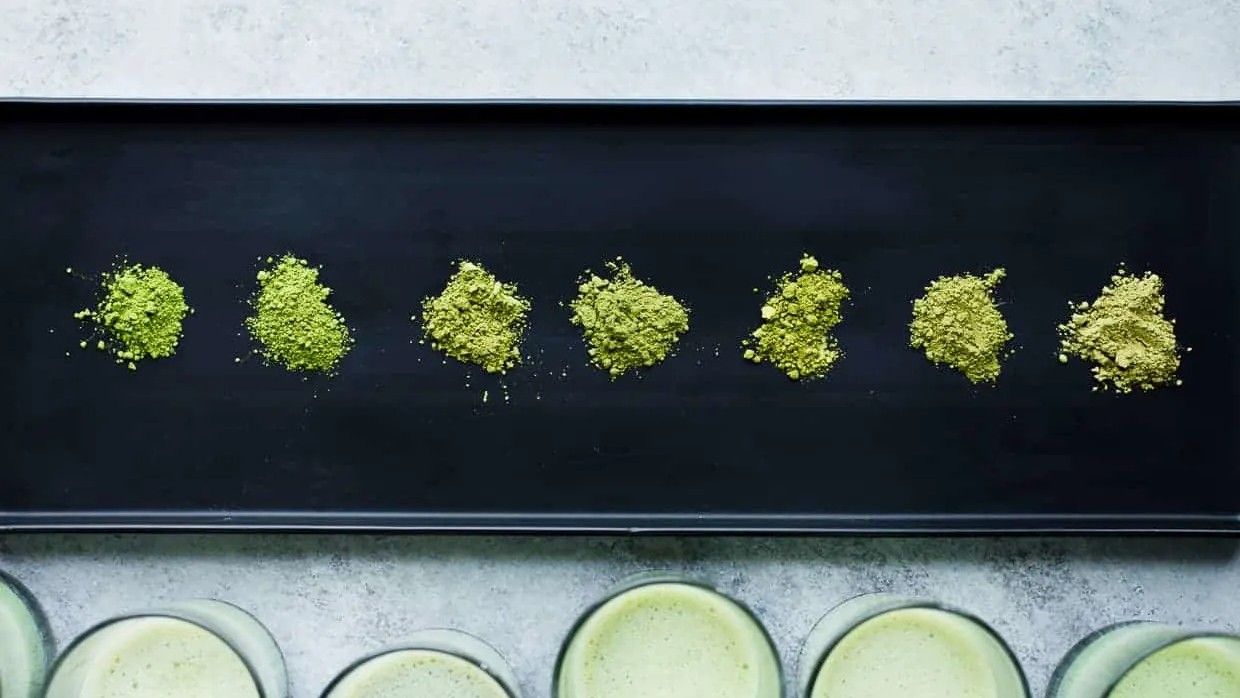
Matcha has become a global favorite for its clean energy, focus-enhancing properties, and health benefits. But not all matcha is created equal. From vibrant color and smooth texture to authentic flavor and traditional lingo, knowing how to pick the best matcha is essential. This guide explains how to evaluate matcha quality, test its authenticity, and understand key terms so you can enjoy a premium cup every time.
Vibrant Color is a Sign of Freshness
High-quality matcha is bright, vibrant green, almost like a jewel. Dull or yellowish powders often indicate lower grade leaves, poor storage, or over-processing. Ceremonial-grade matcha is made from young, shaded leaves and retains a deep, fresh green that hints at its freshness and nutrient content.
Texture and Mouthfeel Matter
Authentic matcha should be finely ground and silky, almost talc-like. Coarse or sandy powders can feel gritty on the tongue, signaling lower quality or mass-produced varieties. When whisked in water, good matcha should form a smooth, frothy layer with no clumps.
Taste Test: Umami, Sweetness, and Bitterness Balance
Top-quality matcha offers a natural sweetness and umami depth, followed by a subtle vegetal note. Bitterness indicates lower-grade leaves or poor handling. Unlike coffee, which relies on a single sharp flavor punch, authentic matcha delivers a balanced, layered taste that evolves as you sip.
Smell: Aroma Reflects Purity
Fresh matcha has a grassy, slightly sweet aroma. If it smells dull, musty, or overly grassy, it might be old or mixed with fillers. Aroma is a subtle yet reliable indicator of authenticity.
Know the Key Matcha Terms
- Ceremonial Grade: Highest quality, made from the youngest leaves, ideal for traditional tea preparation. Smooth, vibrant, and rich in L-theanine.
- Premium Grade: Slightly lower than ceremonial but still excellent for lattes and daily drinking.
- Culinary Grade: Stronger, more bitter flavor, meant for cooking, baking, or flavoring drinks.
- Stone-Ground: Traditional method using granite stones to preserve color, aroma, and nutrients.
- Tencha: Shaded leaves that are ground to produce ceremonial matcha.
- Usucha / Koicha: Terms describing thin (usucha) and thick (koicha) matcha preparations.
Understanding these terms helps you select the right matcha for your intended use and ensures you are getting authentic Japanese craftsmanship.
Check the Source and Storage
Quality matcha is sourced from regions like Uji, Nishio, and Kagoshima, where cultivation practices focus on soil health, shade-growing, and traditional grinding. Proper packaging is critical: airtight, opaque containers protect against light and moisture. Always check harvest date and origin when possible.
Simple Home Tests for Authenticity
- Water Test: Whisk one teaspoon of matcha in warm water. Authentic matcha forms a smooth, frothy layer with no clumps.
- Taste Test: Should be naturally sweet and umami-rich. Excessive bitterness signals lower quality.
- Color Check: Vibrant green is fresh; yellowish or dull indicates age or poor leaf quality.
- Texture Test: Rub a pinch between your fingers; it should feel silky, not sandy or coarse.
Finding the best matcha is about more than choosing the brightest powder. It’s about flavor, aroma, texture, and authentic sourcing. By understanding key matcha terms, checking for freshness, and performing simple home tests, you can enjoy a premium cup that delivers sustained energy, mental clarity, and the full health benefits of this centuries-old Japanese tradition.
For those seeking the finest quality, Grin Drink Ceremonial Matcha is sourced from Kagoshima, Japan, stone-ground for purity, vibrant color, and authentic taste, perfect for both traditional tea and modern mindful energy rituals.